★★★★★
Alex is super easy to deal with in the real estate market! Every transaction has been super easy and very professional!cory cohn Google review
The Savannah coastal area has distinct pockets, and the right fit depends on how you want to live day to day. Compare Savannah neighborhoods and nearby communities like Pooler, Richmond Hill, Skidaway, and Tybee, then click into the areas that match your lifestyle, commute, and budget.
How do I choose the right neighborhood in the Savannah area?
Start with daily-life filters: lifestyle and feel, commute and access, in-town vs island pace, schools and errands, and home style and budget. Narrow to two or three areas here, then click into a neighborhood to browse homes and set up listing alerts. Want ARC to narrow the shortlist for you? Send the areas you're watching and what matters most.
Not sure where to start? If you are comparing the best neighborhoods in Savannah and surrounding communities, start with these five.
Start here if you want classic Savannah architecture, tree-lined streets, and quick access to parks, dining, and culture. Home styles range from restored historic properties to bungalows and smaller infill.

Iconic squares, preserved architecture, and a true downtown lifestyle. Walk to restaurants, parks, and cultural landmarks.
View homes →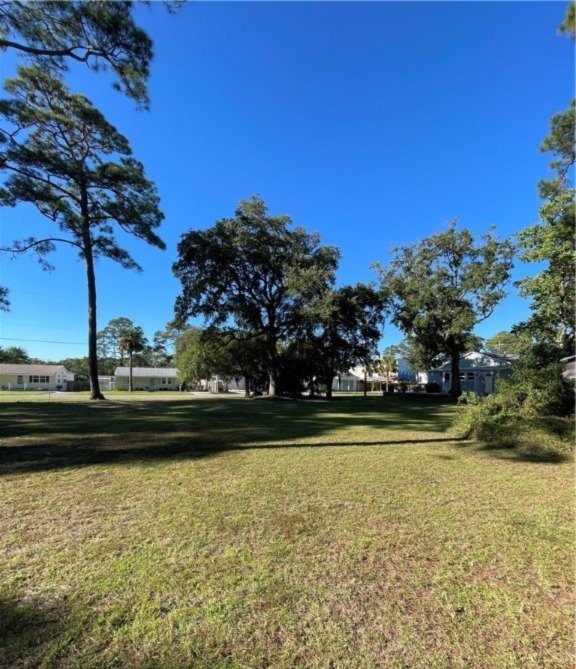
Historic homes with a strong neighborhood identity just outside downtown. Character with a slightly calmer pace.
View homes →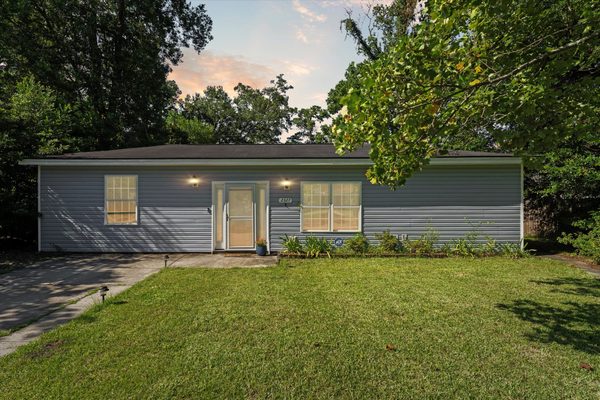
Creative energy, local cafes, and an arts-forward vibe. A lively neighborhood with renovated home options.
View homes →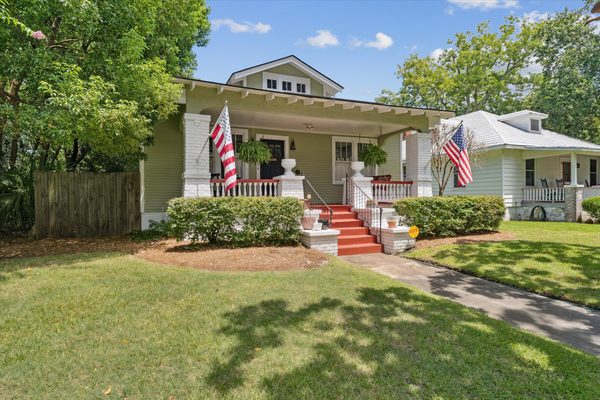
A streetcar-era pocket with distinctive homes and a strong sense of place. Often compared with Starland.
View homes →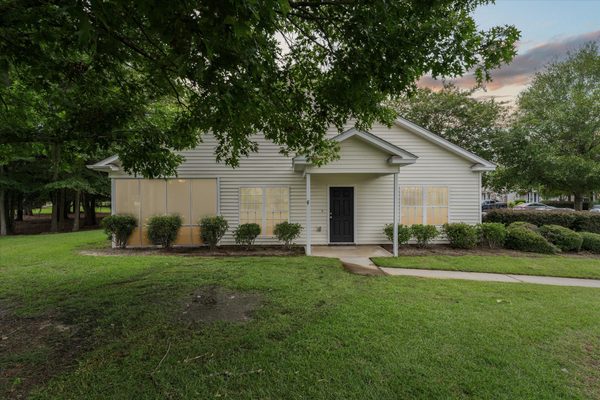
Residential streets with easy access to key Savannah destinations. In-town feel with strong day-to-day convenience.
View homes →
Mature trees, wide streets, and classic home styles. One of the most sought-after historic neighborhoods.
View homes →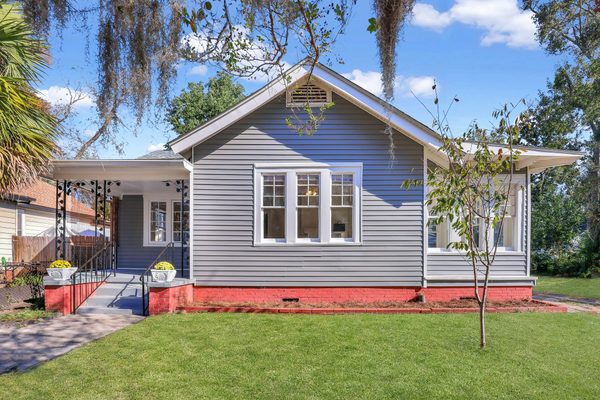
Close to one of Savannah's best parks with a lived-in local vibe. Great for green space and a mix of home styles.
View homes →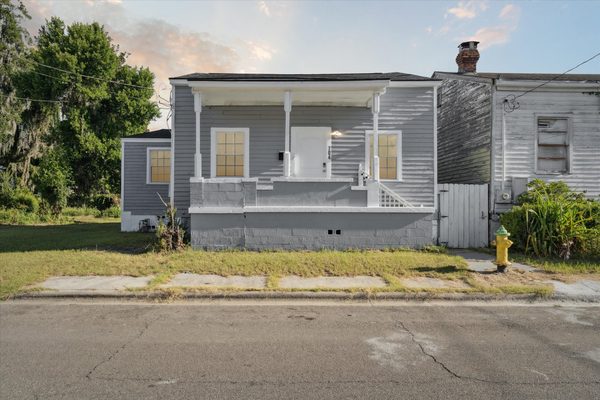
A quieter in-town pocket with its own identity and charm. Community without being in the center of downtown.
View homes →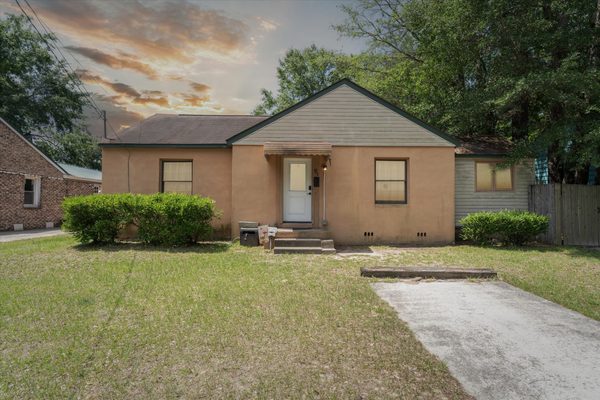
A central connector area with access to multiple parts of the city. A broad mix of home types and price points.
View homes →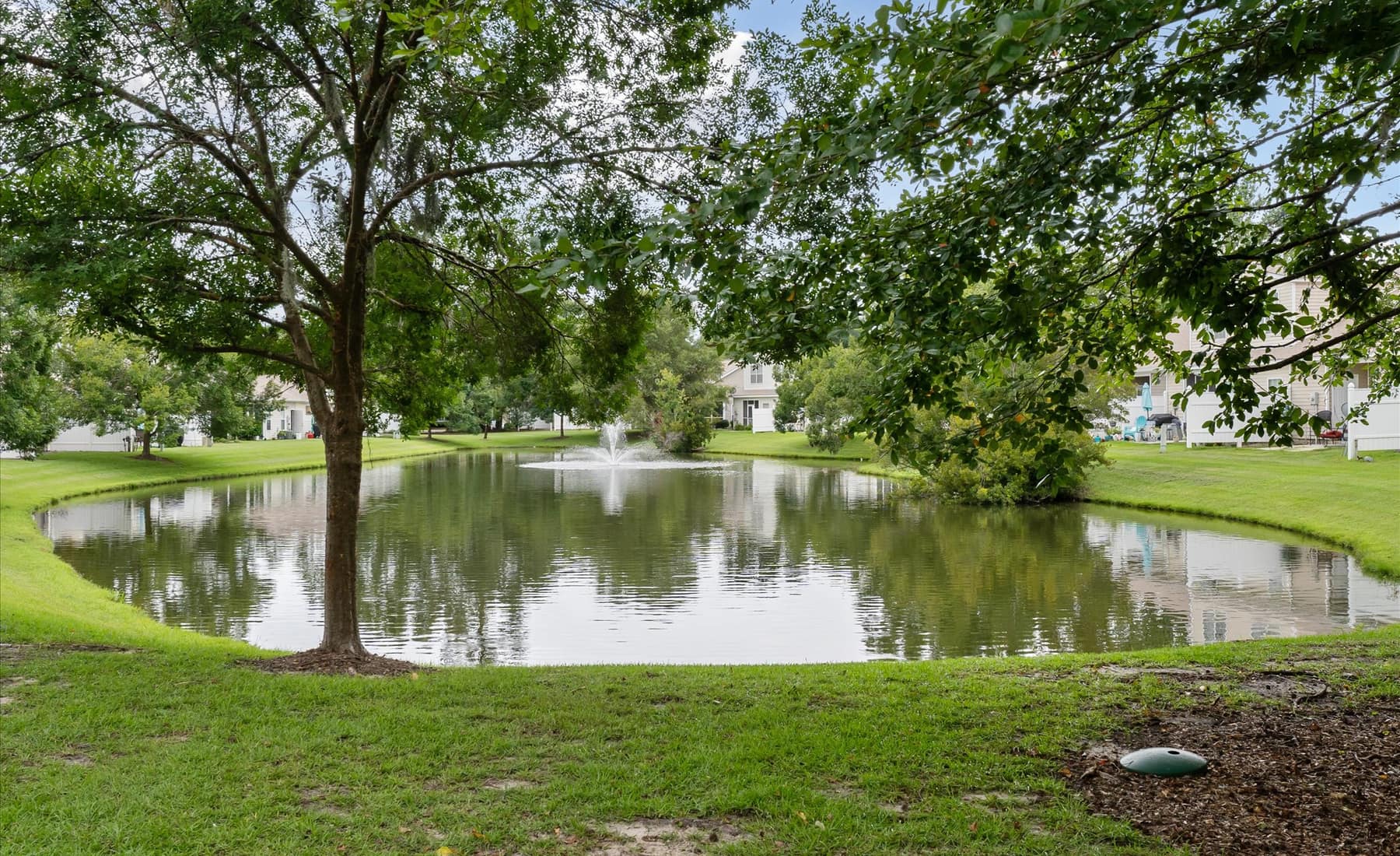
Convenience-first living near shopping, dining, and major routes. Popular for everyday ease and value.
View homes →If water access, marsh views, or a coastal pace matters to you, the islands and waterfront communities are worth exploring. These areas often trade walkability for scenery, privacy, and a different commute pattern.
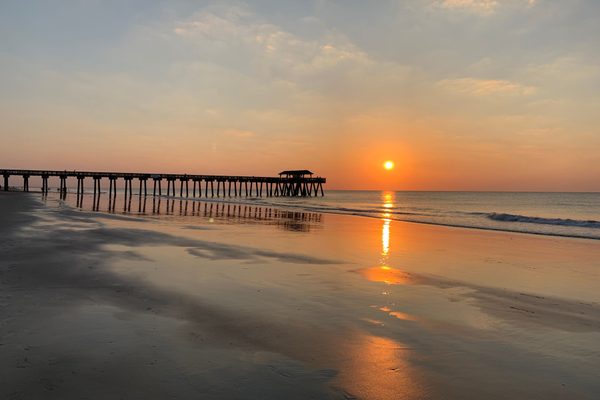
A classic coastal Savannah community with strong character and a scenic feel. Drawn to water-oriented living.
View homes →
A top option for amenities, community features, and an island lifestyle. Golf, gated living, and a resort-style feel.
View homes →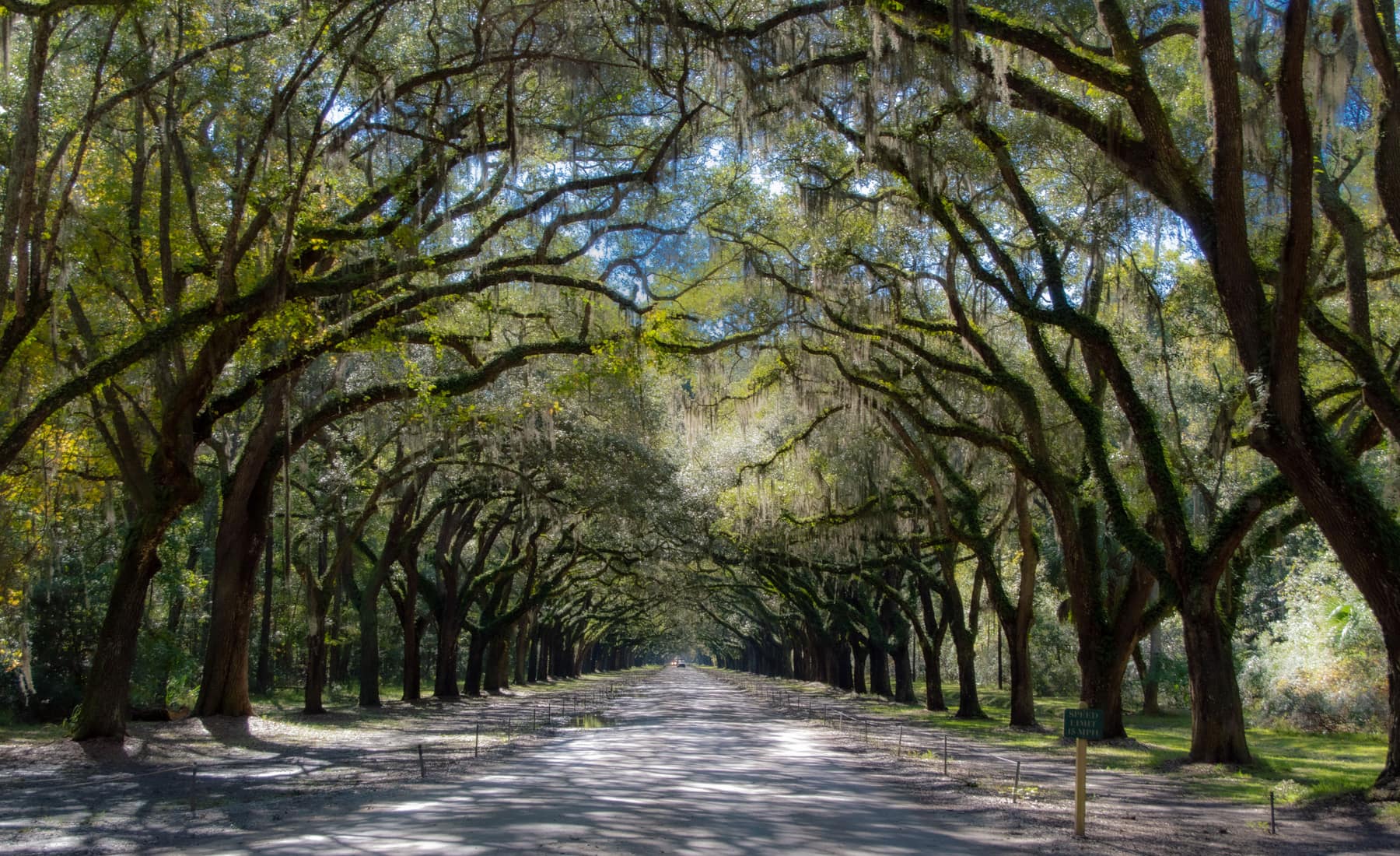
A practical blend of island living and convenience. Coastal access without feeling far from Savannah.
View homes →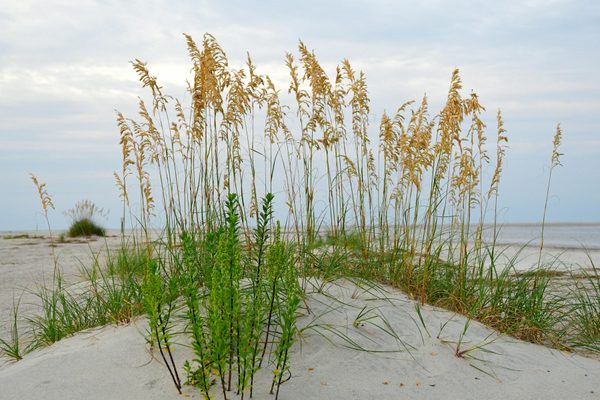
Well positioned for routes toward downtown and the beach. A mix of neighborhoods with island proximity.
View homes →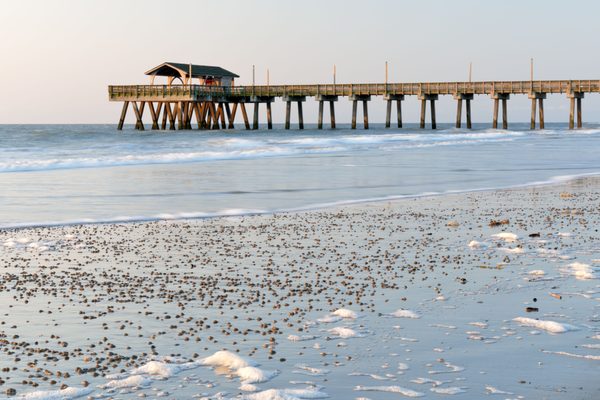
A smaller, quieter island pocket with a residential feel. Low-key coastal living near major access points.
View homes →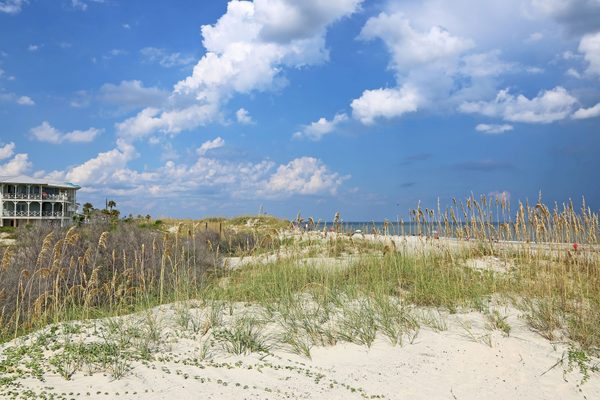
A gated, waterfront-oriented community known for privacy and amenities. A more enclosed neighborhood setting.
View homes →
A quiet, water-oriented island in south Savannah with deepwater access and a boating culture. Privacy near the marsh.
View homes →
A laid-back fishing and boating community at Savannah's southern edge, with a marina and a rural-coastal pace.
View homes →
Savannah's beach-market option for full-time coastal living or a second home. A true island-town pace.
View homes →If you want newer construction, more space, or specific commute patterns, the suburban ring around Savannah can be a strong match. Common picks for relocating buyers and planned neighborhoods.

A high-growth area known for newer neighborhoods and access to major routes. Commonly explored by relocation buyers.
View homes →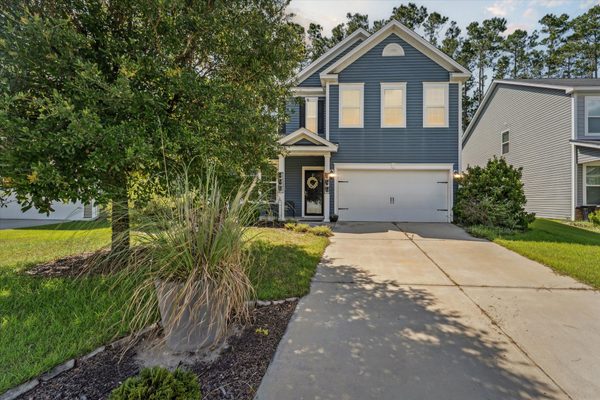
A modern, planned-area feel with strong access to Pooler's growth corridor. Often compared with other west-side options.
View homes →
A major suburban option south of Savannah with a strong community feel. Commute varies by daily routes.
View homes →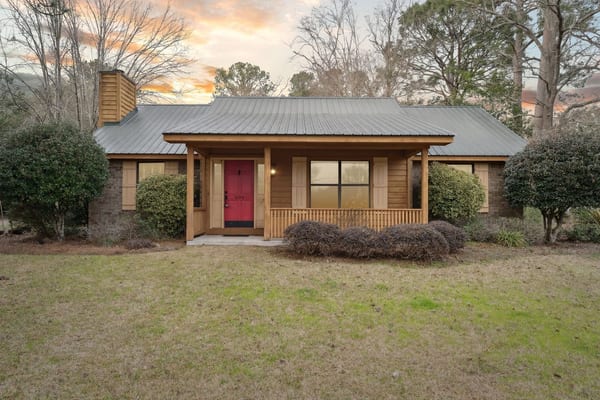
An Effingham County value play with more space, newer construction, and well-regarded schools. A favorite for relocating families.
View homes →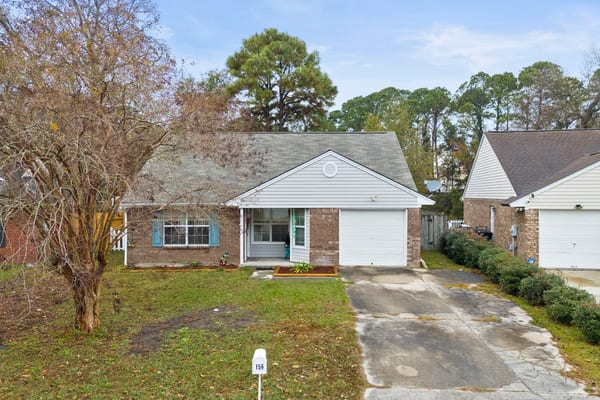
An established planned community on Savannah's far southside with single-family homes and easy parkway access. Space and value.
View homes →If you want a short shortlist, these are common starting points based on what matters most to you.
Most buyers narrow to a short list, then compare on lifestyle, commute, and home style. When you know the areas you want to target, jump straight into the live MLS and set up alerts.
Real estate is personal. The goal is a process that feels clear, organized, and respectful from start to finish.
4.8 rating · 20 Google reviews
Powered by Google · Read all reviews on Google →
Tell me the areas you are weighing and what matters most. I'll help you compare tradeoffs, understand pricing, and move with a plan, without pressure.
Prefer email? info@thearcplatform.com, I reply as soon as I see it.